


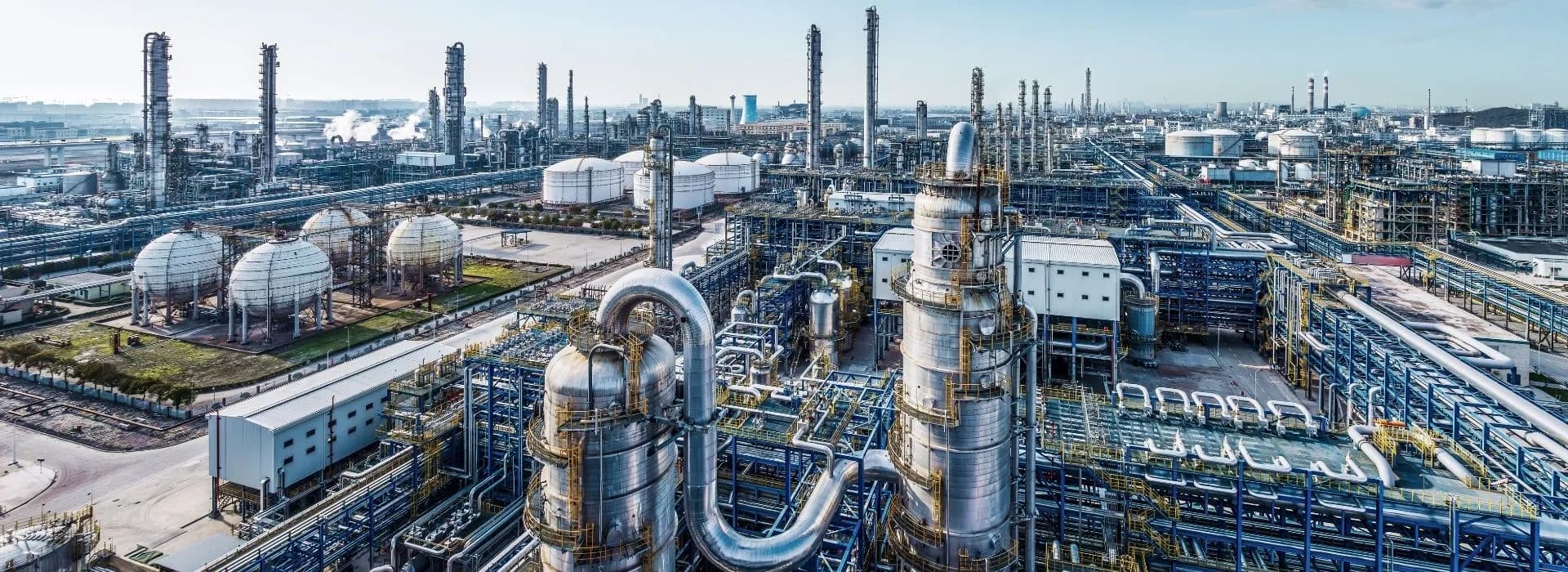
Manufacturers have access to vast amounts of production plant data like never before, thanks to advanced and connected industrial technologies. The sheer volume of valuable data makes it easy for plant managers and operators to glean helpful insights that can improve productivity, operational efficiency, and profitability.
Plant lifecycle management (PLM) allows you to take full advantage of these insights. With PLM, your team can easily organize, analyze, and act on plant data across the facility’s entire lifespan, leading to improved ROI and long-lasting business benefits.
Let’s take a closer look at plant lifecycle data management.
#what
What Is Plant Lifecycle Management?
Plant lifecycle management is the process of systematically organizing and managing the information related to an industrial plant throughout its entire life, from A to Z, or rather, from development to decommissioning.
Its goal is to keep all relevant data accessible to the right teams, which not only supports but also enhances plant operations. All this data is also connected and integrated across the business to improve efficiency.
To maximize this management system, other processes and logistics considerations are included, like physical plant design and layout, production and fulfillment processes, and technical infrastructure. By including your plant facility processes and logistics, you’ll gain a better picture of your overall plant operations.
Plant lifecycle management is used in all industries, sectors, and manufacturing types:

#benefits
Benefits of Plant Lifecycle Management
Better ROI
An effective lifecycle management system helps you use data, metrics, and analytics to improve all facets of manufacturing – from infrastructure layout and equipment health to process integration and resource utilization. By maximizing your plant’s productivity while reducing unnecessary risk and waste, you’ll significantly reduce facility costs, which leads to better ROI.
Optimized Performance
With this system, you can leverage technology and best practices to streamline and standardize operations, while customizing your strategy based on your main business drivers. With more efficient workflows, your company can maintain a higher level of consistency, keeping your facility operating at maximum output and quality throughout its lifecycle.
Reduced Risk and Increased Compliance
A proactive approach to risk management protects your employees and assets while also ensuring compliance with industry regulations. Your customized strategy for lifecycle management in plant engineering uses data-driven monitoring and predictive insights to help you detect and prevent potential issues well ahead of time.
Better Communication and Collaboration
When you implement a strategic plant lifecycle management solution, your employees will find it easier to communicate and collaborate through seamless and real-time information-sharing. The improved flow of communication makes it easier to identify and solve problems and reduces errors caused by miscommunication. In short, a plant lifecycle management strategy eliminates departmental silos and fosters a spirit of teamwork.
Greater Customer Satisfaction
When your company delivers a consistent product at a consistent rate, your customers will not only be satisfied with the product quality but also with your company’s reliable service. Over time, your dependability and high standard of product quality will lead to increased loyalty, new business, and a more competitive position in the market.
The Phases of Plant Lifecycle Management
The typical lifecycle phases are:
Development and Design:
Planning, detailed engineering, and creating plant models
Construction and Erection:
Building the plant and installing its equipment
Commissioning:
Testing, inspection, and validation to make sure all systems are operating as expected
Handover:
Transitioning to operational responsibility
Operation:
Daily running of the plant, production processes, and output management
Maintenance, Refurbishment, or Life Extension:
Ongoing servicing, upgrades, and repairs to optimize plant performance and extend its useful life
Decommissioning:
Shutting down the facility and safely dismantling equipment
Land Rehabilitation:
Restoring the site for future use or environmental recovery after plant closure

#challenges
Challenges and Solutions to Plant Lifecycle Management
Costs
You or other stakeholders may decide that the upfront costs (such as purchasing the software, training your staff, etc.) associated with implementing a PLM are too prohibitive.
The Solution:
- Performing a cost-benefit analysis to better understand the long-term ROI
- Finding a scalable and flexible PLM solution
Adoption Resistance
You may experience resistance from employees at all levels. This can stem from a fear of change/the unknown or satisfaction with the existing processes.
The Solution:
- Investing in comprehensive change management strategies
- Effectively communicating the benefits of a PLM to employees
- Conducting rigorous training to encourage buy-in
Data Migration
Migrating data into your plant lifecycle management system can seem time-consuming, especially if data is inconsistent or you don’t know where all of it resides.
The Solution:
- Performing a data audit
- Standardizing your data formats
- Utilizing automated data migration tools
System Integration
The idea of integrating a PLM with your existing systems (ERP, PLC, DCS, BMS, and MES) can seem overly complex and time-consuming.
The Solution:
- Work with an experienced integration partner like Orise
- Choose a robust PLM solution that facilitates system integration
#automation
What Role Does Automation Play in PLM?
Plant automation plays an important role in modern plant lifecycle management. You want every phase of your facility’s lifespan to be efficient, consistent, and agile. You also want to reduce human error and create a smooth synergy between your tools and teams.
Automation can facilitate this.
Ultimately, advanced technologies like automation transform your traditional plant operation into a smart, responsive ecosystem. Automation will help your team realize the benefits listed above (i.e. maximized uptime and product quality, lower risks, and better ROI). This makes automation an essential aspect of any plant lifecycle management system striving for sustainability and profitability.
Learn more about automation
#orise
Orise’s Plant Lifecycle Management Solution
Orise’s lifecycle management service combines automation with industry best practices to help you manage your facility’s entire lifecycle. Our flexible service offers optional customization while simplifying the process of standardizing your plant operations. Orise’s structured methodology maximizes operational efficiency while also allowing you to track your progress against your business goals.
Our service desk is open 24/7, and our service offers proactive strategies, reactive solutions, and performance optimization to ensure your operations are always up and running.