

Chemical Industry Digital Transformation: How Digitalization in Chemical Manufacturing Is Shaping the Future

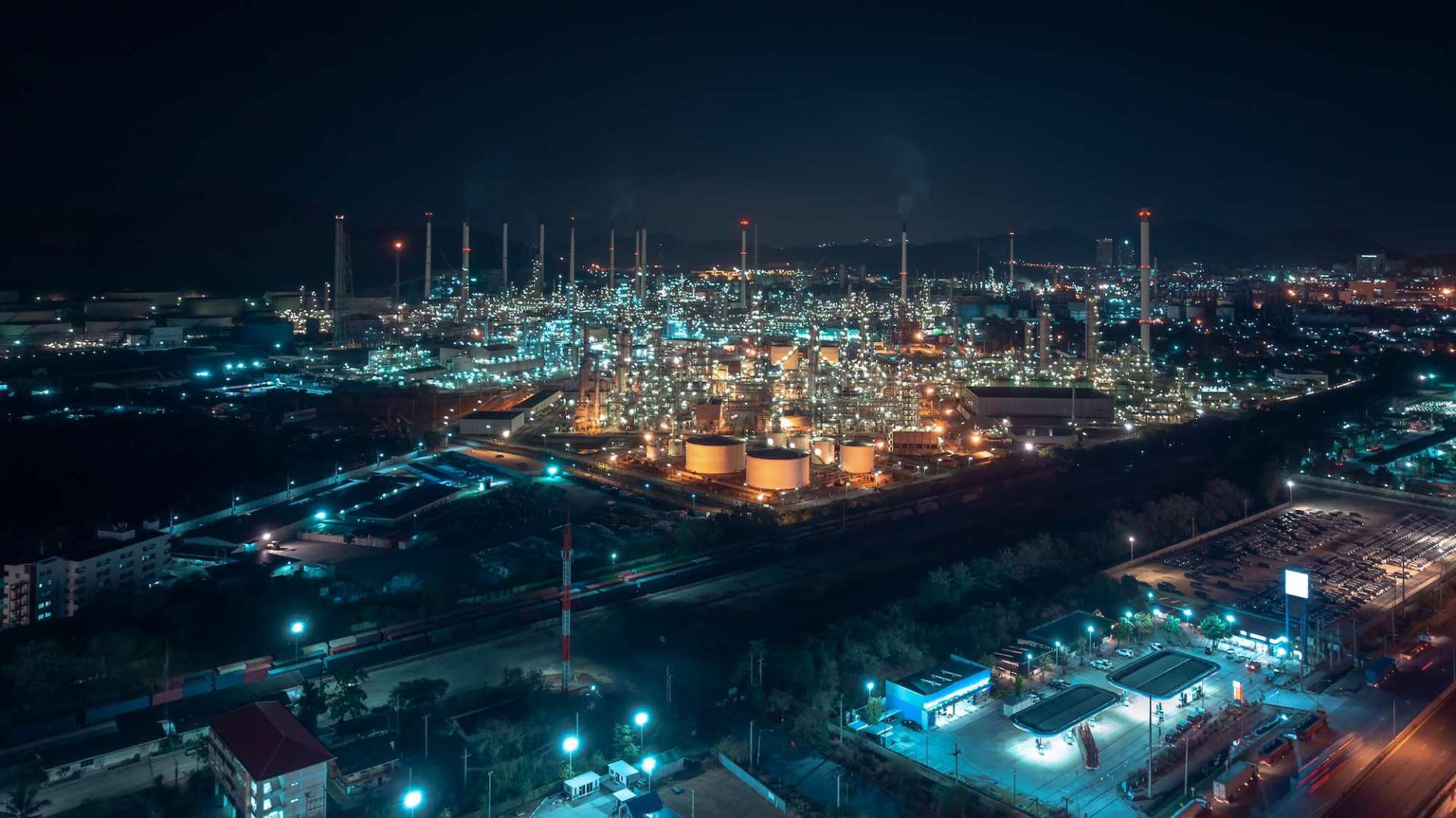
Across all industries, technical advancements are having a revolutionary impact, and the chemical industry is no different. In fact, chemical industry digital transformation, driven by digitalization, is becoming a critical enabler of performance improvements, from increased throughput to reduced energy consumption and emissions.
To remain competitive and meet growing demand, manufacturers must embrace chemical digitalization to generate new levels of efficiency and innovation.
#what
What Is Digital Transformation in the Chemical Industry?
Digital transformation and digitalization in the chemical industry are the shift from mostly manual and isolated plant operations to a more connected and optimized environment driven by data. All this is made possible by the use of digital technologies which can capture and contextualize data across your manufacturing lifecycle.
It’s important to note that the process of digitalization doesn’t necessarily mean starting from scratch and replacing core infrastructure. It’s more about integrating existing systems with modern digital solutions, such as Industrial Internet of Things – IIoT sensors or AI asset health monitoring, to improve how your plant operates. You’re extracting more value from the systems you already use.
By connecting legacy DCS, PLC, and SCADA environments to digital tools, you gain more real-time visibility into operations. It also enables tighter process control, which ultimately improves throughput, sustainability, and safety in the supply chain.
Typical examples of digitalization in chemical manufacturing may include:
- Connecting plant assets and sensors through IIoT and secure OT networks
- Contextualizing data so information from multiple systems is meaningful and usable
- Applying advanced and AI-powered analytics to optimize yields and quality, or improve energy use
- Converging IT with OT to support faster, better decision-making
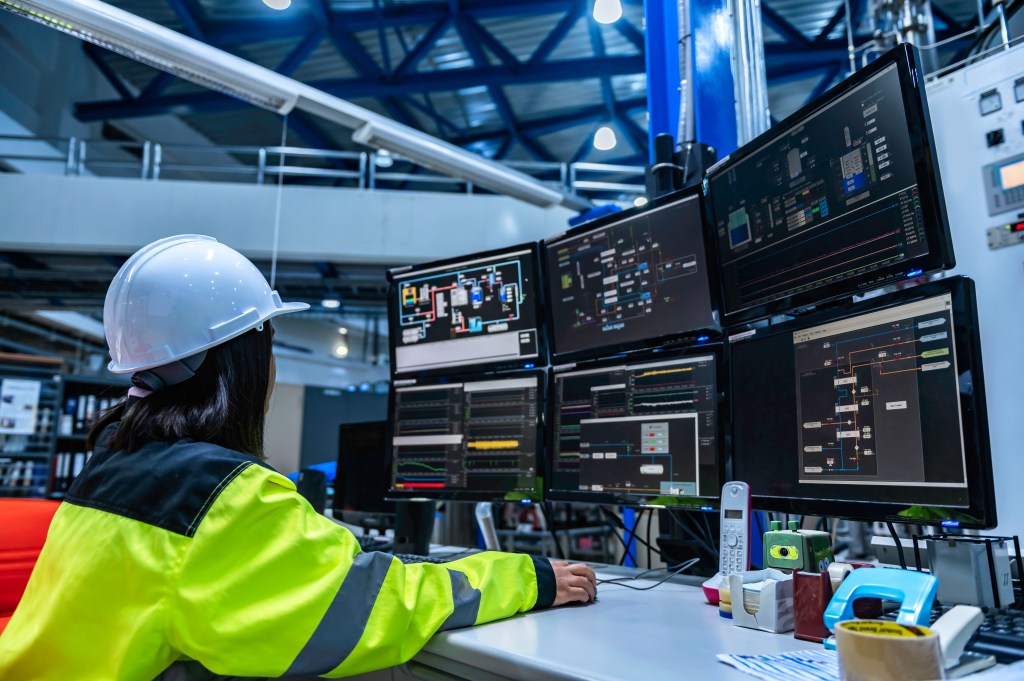
Orise helps companies transition their manufacturing systems to the future with digitalization:
#benefit
The Benefits of Digitalization in Chemical Manufacturing
Increased Efficiency and Productivity
How does digitalization have this impact? Sensors and IIoT devices collect data in real time from your equipment. Then, advanced software such as Orise’s APC and MES services can analyze this data and automatically adjust parameters as a result of their findings.
This allows process manufacturing plants to always, and automatically, run chemical reactions at the optimal temperature or pressure, for instance, which can reduce downtime and increase output without the need for additional labor.
Cost Reduction and Optimization
One of the greatest threats to cost margins in chemical manufacturing is unnecessary waste. Digital solutions help by identifying inefficiencies in energy use or raw material consumption so you can adjust to prevent these.
They also enable accurate predictive maintenance. With the right tech, you can predict when a component is about to fail and service it before a costly downtime is caused.
Put simply, digital tools can spot issues that may be missed by a human eye alone and turn these insights into cost-saving improvements.
Enhanced Innovation
You may have a great idea for new products or process changes, but actioning these safely and without risk requires the right digital tools.
Digital models (like a digital twin) and AI-simulations can be especially useful here, allowing you to virtually test changes and evaluate outcomes before applying them in the plant.
This enables you to innovate with confidence, and experiment digitally to monitor effects without disrupting actual production.
Improved Customer Experience
Digitalization enables a more consistent, traceable, and faster production process, resulting in happier, more confident customers. Orders can be tracked in real time and product quality and compliance to become more predictable.
How? Digital solutions like IT/OT convergence allow data from the plant floor to flow smoothly into business systems. As a result, things like production schedules, batch records, quality data, and supply visibility are automatically synchronized with ERP and customer portals.
Essentially, digital solutions allow you to proactively communicate updates or resolve potential delays before they affect customers, building trust and improving long-term relationships through transparency and responsiveness.
Achieving Sustainability Goals
We’ve touched upon how using tech like sensors and analytics tools to monitor waste or energy use can improve efficiency and cost reduction, but it can help minimize environmental impact too.
By using real-time data insights to adjust reaction conditions, a chemical plant can reduce CO₂ emissions and minimize raw material waste. This not only supports sustainability goals, but also helps meet ESG (environmental, social, governance) targets and ensures compliance with environmental standards for regulated industries.
#key
What Key Technologies Are Driving Digital Transformation in Chemical Companies?
We’ve already briefly mentioned a few core technologies currently changing the chemical landscape, but let’s explore these further.
The combination of these tools when implemented as part of a plant digitalization strategy enables chemical manufacturers to produce the benefits described above.
Working with a system-agnostic partner like Orise is particularly advantageous, as it can integrate these technologies seamlessly with existing equipment and control systems, regardless of vendor. This helps minimize disruption while maximizing value.
IIoT and Sensors
An IIoT device is any smart, interconnected industrial asset that collects and exchanges data. Meanwhile, an IIoT sensor is the device’s eyes and ears, which monitors parameters such as temperature or pressure.
Sensors gather raw data which can then be passed through a connected IIoT device network to a central platform, where analytics interpret it to provide useful insights.
Collecting real-time data from your equipment like this allows you to monitor process conditions and make better, data-driven decisions.
Virtual sensors build on this by taking the data from your existing sensors and using smart algorithms to estimate things you can’t measure directly (like composition or efficiency), giving you real-time insights and practical guidance to keep your process running at its best.
IT/OT Convergence
This is the integration of information technology (IT) and operational technology (OT) systems. While IT systems are used for data management in your computing environment, OT is a combination of hardware and software that controls and oversees physical equipment.
Traditionally, these operated in separate domains within a plant, impacting overall digital maturity. However, digital transformation and technologies such as IIoT and architectures like Unified Namespace (UNS) act as the central nervous system bridging IT and OT, eliminating the traditional data silos that have long separated shop floors from enterprise systems. This convergence allows data to flow between the physical and digital worlds, creating a more holistic view of operations that can improve choices.
Advanced Process Control (APC)
APC builds on real-time data and basic automation to actively optimize chemical processes.
It uses complex analytics to predict how a system will behave and then automatically adjusts control actions to ensure operations remain running at optimal conditions.
By continuously responding to any changes in performance and conditions, APC minimizes variability and improves product quality and throughput.
Industrial AI and Predictive Analytics
Industrial artificial intelligence has the ability to instantly transform huge amounts of collected data into actionable insights. Whether it’s historical or real-time information, AI models can quickly identify patterns or anomalies and predict future outcomes beyond manual ability.
With this digitalization, chemical plants can be far more proactive in preventing downtime, reducing waste, optimizing performance, and increasing output, rather than reactively responding to failures or inefficiencies.
Moreover, Agentic AI and Large Language Models (LLMs) represent a new paradigm in industrial digitalization—moving from passive analytics to autonomous, goal-driven systems capable of reasoning, planning, and acting across IT and OT environments.
In chemical companies, where operations are complex, safety-critical, and data-rich, these technologies can significantly accelerate decision-making, improve operational efficiency, and unlock new value from existing digital investments (e.g., historians, MES, LIMS, ERP).
Digital Twin
This is a virtual representation of a physical process or production system — one that is continuously updated with plant data to mirror its real world counterpart’s behavior and performance.
In the chemical industry, these models are used to allow teams to test potential changes by simulating them digitally, without disrupting live production. It means you can evaluate new operating conditions and identify bottlenecks before they actually occur.
With this trick up their sleeve, plants can innovate faster and more confidently, understanding the impact of alterations before they’re put into action.
#future
The Rise of Digital Transformation in the Future of the Chemical Industry
Digital transformation is set to play an increasingly critical role in the future of the chemical sector. The reality is that traditional ways of operating are no longer sufficient, as the market becomes more complex and regulations more stringent. As part of the broader move towards Industry 4.0, and even Industry 5.0, digitalization enables you to respond to these changes more effectively, improving efficiency, sustainability, resilience, and quality across your operations.
Looking ahead, the focus of digital transformation will continue to shift from basic data visibility to more advanced optimization, predictive capabilities, and autonomous operations with the help of rapidly progressing technology such as Agentic AI. You’re not just collecting data, but also contextualizing and proactively acting upon it across IT and OT systems.
As these capabilities continue to mature, acting on digitalization now is critical for chemical companies looking to stay competitive and meet future regulatory demands. Those that delay risk falling behind in an increasingly digital-driven industry.

Interested in learning more? Read our whitepaper on Strategies for Successful Implementation of Industry 4.0 Solutions.
#start
Partner With Orise to Transform Your Chemical Plant Through Effective Digitalization
Implementing digitalization in your plant can seem like a herculean task, but with an experienced partner who combines deep chemical industry knowledge with advanced, AI-ready digital solutions, you’ll see valuable results, fast.
We help chemical companies like yours modernize their operations without disrupting essential production processes.
Unlike many platforms, Orise takes a vendor-agnostic approach to digital transformation that allows chemical plants to build on their existing systems while incrementally introducing digitalization such as IIoT integration, process control, and advanced AI-based analytics. In doing so, you’ll quickly uncover efficiency potential and improve output, as well as making your plant far more sustainable.
When working with us, you gain a committed collaborator, not simply a service provider. Whether you’re just at the beginning of your digital transformation journey, or want to scale existing initiatives, we provide end-to-end services from careful consultation to implementation and ongoing management.